


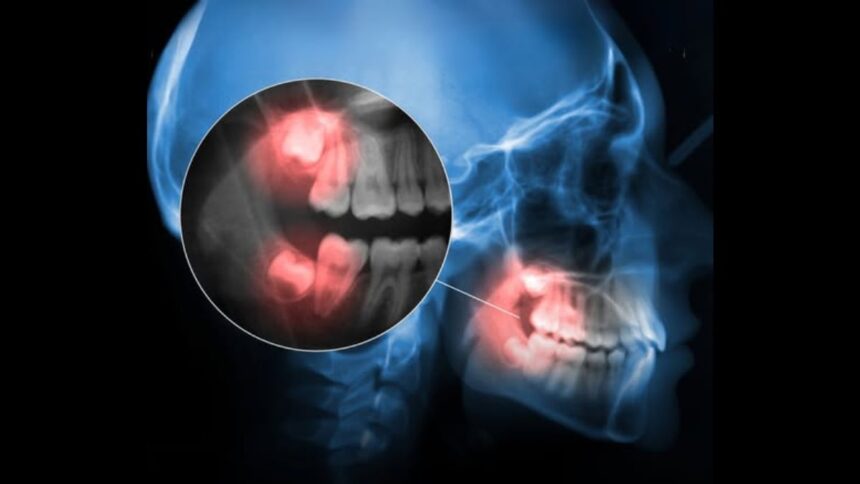
Scientists have found that wisdom teeth, which are usually removed and thrown away, contain special stem cells that can grow into many types of body tissue. These cells might help repair bones, muscles, nerves, and even the heart one day. This could change how doctors treat diseases such as arthritis, diabetes, Alzheimer’s, and Parkinson’s.
Inside every wisdom tooth, there is a soft core called dental pulp. This pulp is what keeps the tooth alive and healthy. Scientists have found that this pulp contains powerful stem cells that can change into different kinds of cells in the human body. These are called mesenchymal stem cells.
The research is led by Dr. Gaskon Ibarretxe, an associate professor at the University of the Basque Country. His team discovered that these dental stem cells can become neuron-like cells that send electrical signals, the same signals that real brain cells use to communicate.
Dr. Ibarretxe explained, “That jump from marker expression to genuine electrical activity is essential, because damaged brain circuits need cells that can send signals.” His words show how these cells might help in treating diseases that affect the brain, such as Parkinson’s or Alzheimer’s.
Every year, more than 10 million wisdom teeth are removed in the United States alone. Most of them end up in the trash. But scientists are now urging people not to throw away what could be a powerful medical resource. When dentists remove a wisdom tooth, it can easily be sent to a lab to collect and store its stem cells all without pain or risk.
Clinics such as Innovative Implant and Oral Surgery are working with companies like Stem Save to collect and freeze these dental stem cells. The cells are stored at very low temperatures using a process called cryopreservation. This keeps them alive for many years, even decades, and gives people a kind of “biological insurance” for their future health.
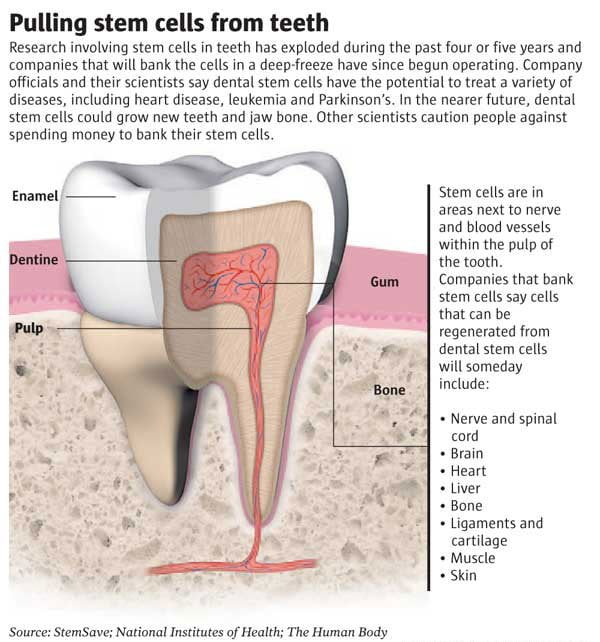
These frozen cells might one day help repair damaged tissues or organs. What was once considered medical waste could now become a powerful tool in healing the human body.
Companies like Stemodontics and Stem Save now offer special preservation kits that allow dental offices to store stem cells safely. When a dentist performs a tooth extraction, the tooth can be placed in a sterile container and shipped to a certified lab. There, the stem cells are taken out, cleaned, and frozen in liquid nitrogen within 24 hours.
This process is simple, ethical, and painless compared to other stem-cell collection methods such as bone marrow extraction. Since the teeth would otherwise be discarded, there are no ethical issues like those seen with embryonic stem cells.
Dental stem cells have shown promise in treating a variety of conditions. Studies have shown that they can ease motor symptoms in animals with Parkinson’s disease by replacing the lost neurons that produce dopamine. In Alzheimer’s research, these same cells have been seen to protect brain cells and reduce harmful proteins that cause memory loss.
In heart research, scientists have used dental-pulp stem cells to help mice with heart failure. The animals showed better heart function after receiving the treatment. Bone specialists also see great potential. The cells can create collagen and calcium in the lab, which could one day help rebuild bones and joints damaged by accidents or diseases like arthritis.
By saving one’s own dental stem cells, a person can avoid immune rejection during future treatments. Doctors could use a patient’s own cells for faster recovery and safer results. Storing these cells may become a normal part of dental care in the future, just like keeping dental records or X-rays.
As Dr. Ibarretxe mentioned, “The next generation of medical treatments may come from something we used to throw away.” His team believes these cells could lead to new therapies that restore movement, repair spinal cords, and heal organs once considered beyond repair.
Long-term safety studies are still needed to make sure that transplanted cells do not form tumors or cause unwanted side effects. Researchers are planning larger clinical trials to test how these stem cells perform compared to traditional treatments.
There are also questions of equality. Some scientists worry that storing wisdom-teeth stem cells could become a luxury for the rich if costs remain high. Public health programs and insurance coverage might be needed to ensure that everyone has access to this technology, not just those who can afford it.
Every year, millions of wisdom teeth are taken out and thrown away. But now, those small pieces of dental waste could be the key to saving lives. Instead of tossing them aside, people might one day hand them to their dentist for preservation.
The study was published in Stem Cell Research & Therapy.









Good invention