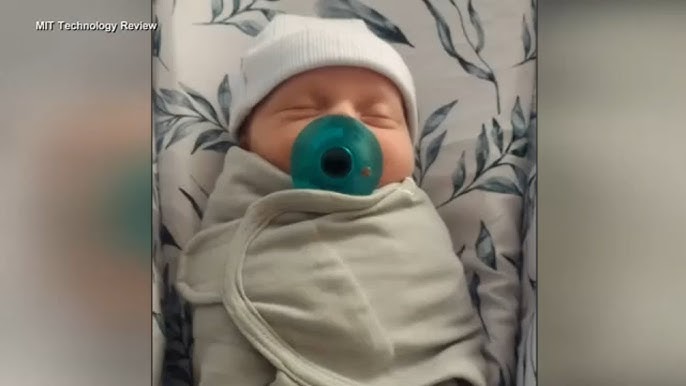
A baby boy named Thaddeus Daniel Pierce was born in Ohio from an embryo that doctors had frozen for more than 30 years. This birth sets a new world record for the longest-known storage time before a successful pregnancy and live birth. Doctors froze the embryo on November 12, 1994, and it remained in storage for 11,148 days.
Lindsey and Tim had been trying to have a baby for years but struggled with infertility. They decided to try embryo adoption, a lesser-known process that allows couples to receive embryos donated by other families. Their journey led them to Linda Archerd, who had created the embryos in 1994 during her own IVF process.
“We didn’t go into it thinking we would break any records,” Lindsey told the MIT Technology Review, which first reported the story. “We just wanted to have a baby.”
Back in the early 1990s, Linda and her then-husband turned to in vitro fertilization, or IVF, to start a family. They ended up with four embryos. One was used and resulted in the birth of Linda’s daughter, who is now 30 years old and a mother herself. The remaining embryos stayed frozen, later becoming part of this remarkable Frozen Embryo Baby story.
The remaining three embryos were frozen and kept in storage. After Linda and her husband divorced, she no longer planned to have more children. Still, she couldn’t bring herself to discard the embryos.
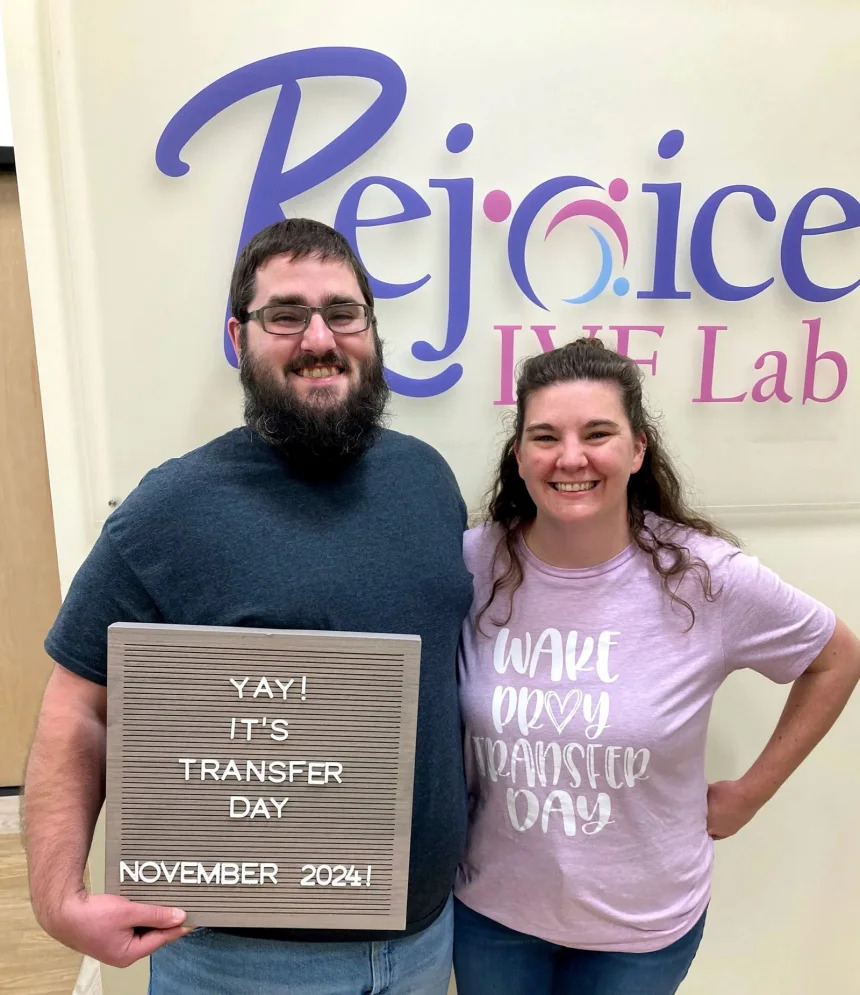
COURTESY LINDSEY PIERCE
“I felt all along that these three little hopes, these little embryos, deserved to live just like my daughter did,” said Linda Archerd. As the years passed and storage costs increased, Linda felt a growing sense of guilt and responsibility. She discovered Snowflakes, a division of Nightlight Christian Adoptions, which helps people donate embryos to families who are unable to conceive.
Linda was able to choose the family who would receive her embryos. She preferred that her embryos go to a white, Christian, married couple, which led her to Lindsey and Tim Pierce. “I wanted to be a part of this baby’s life,” Linda said. “And I wanted to know the adopting parents.”
The donation process wasn’t easy. Linda had to contact her old fertility doctor in Oregon and dig through old paper records to get the needed documents. Then the clinic carefully shipped the embryos to the Pierces’ clinic in Knoxville, Tennessee.
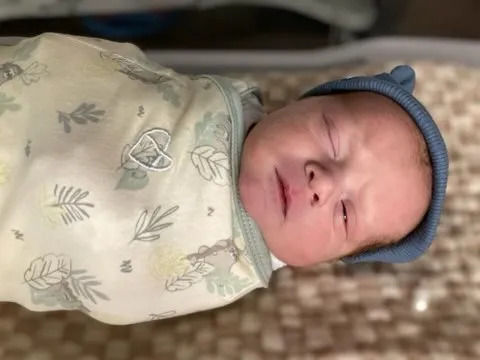
The clinic, called Rejoice Fertility, accepts and preserves old embryos that many other clinics would discard. The clinic also follows Christian values and believes every embryo should have a chance at life.
Dr. John David Gordon, the doctor who performed the embryo transfer, said this is now the longest-frozen embryo to lead to a live birth. He previously held the second-longest record, where a baby came from an embryo frozen for 10,905 days.
“I think these stories catch the imagination,” said Dr. Gordon. “But I think they also provide a little bit of a cautionary tale to say: Why are these embryos sitting in storage? You know, why do we have this problem?”
Of the three embryos Linda donated, one did not survive the thawing process. Doctors transferred two into Lindsey’s womb, and one successfully implanted and developed into a healthy frozen embryo baby boy. “We didn’t go into this thinking about records — we just wanted to have a baby,” said Lindsey Pierce.
After the birth, Lindsey and Tim sent several photos of the baby to Linda. She felt deeply moved by what she saw. “The first thing I noticed when Lindsey sent me his pictures is how much he looks like my daughter when she was a baby,” Linda said. “I pulled out my baby book and compared them side by side, and there is no doubt that they are siblings.”
“I’m hoping that they’re going to send pictures,” she said. “I’d love to meet them someday. That would be a dream come true.”
In the United States, about two percent of all births are the result of IVF. Only a very small number involve donated embryos, like in this case. Right now, experts estimate that clinics in the country store around 1.5 million frozen embryos. Many of these embryos are in limbo as families decide what to do with them.
The issue became even more complicated after a 2024 decision by the Alabama Supreme Court ruled that frozen embryos have the same legal status as children. The ruling raised concerns for clinics and families, although lawmakers have added some protections since then.
“We had a rough birth, but we’re both doing well now,” Lindsey said. “He is so chill. We are in awe that we have this precious baby.”