



Japan has made breakthrough in renewable energy by unveiling a new solar panel technology that could be up to 1,000 times more powerful than traditional silicon-based solar panels. This innovation uses titanium dioxide and selenium, offering a new way to generate electricity more efficiently.
Japanese researchers have shifted away from conventional silicon solar panels and introduced photovoltaic cells made from layers of titanium and selenium. By improving the bond between titanium oxide and selenium, the panels now convert sunlight into electricity with far greater efficiency. This means they can produce more power using the same amount of sunlight.
This groundbreaking research was published in Solar Energy Materials and Solar Cells. Scientists believe this new technology could change the future of solar energy by providing a cheaper and more effective alternative to current solar panels.
Titanium is known for its strength and resistance to corrosion, making it a popular choice in industries like aerospace and medicine. However, its high cost has historically limited its use. Researchers at the University of Tokyo have now developed a new method to extract titanium more cheaply, which could open doors for its widespread use in renewable energy.
According to their study published in Nature Communications, this new extraction method reduces the cost of titanium by using rare-earth metals.
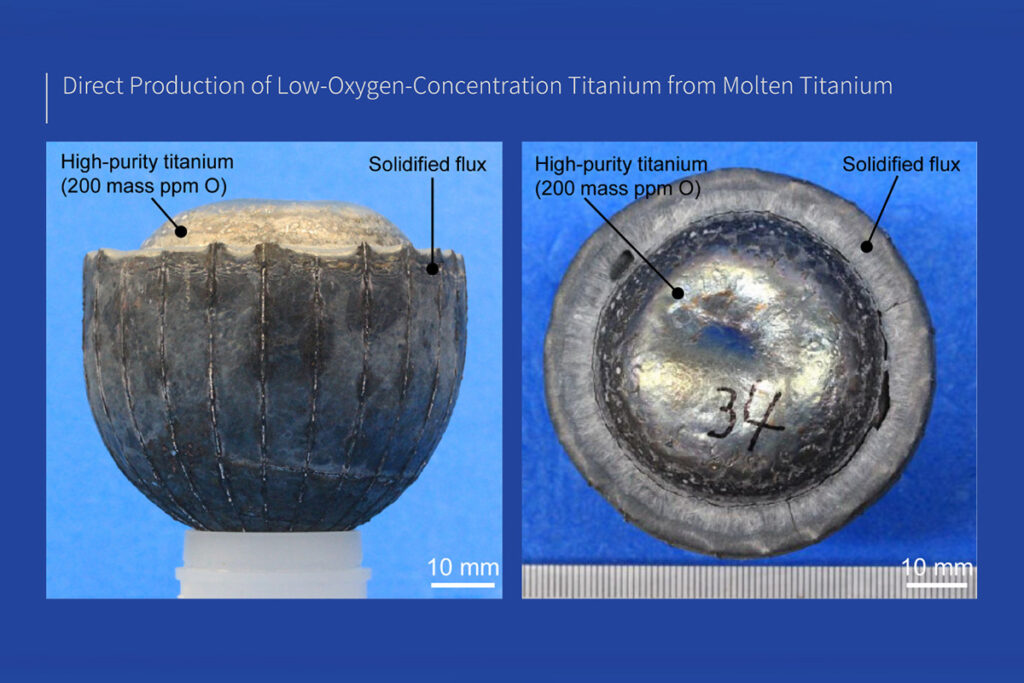
Lead researcher Toru H. Okabe explained that while metals like iron and aluminium are mass-produced at low costs, titanium has always been expensive due to the complex process of removing oxygen from its ore. The team’s innovative technique removes oxygen to a purity level of 0.02%, making titanium more affordable.
One of the key elements in this cost-cutting process is yttrium, a rare-earth metal used in technologies like LED screens and superconductors. Scientists discovered that reacting molten titanium with yttrium produces a solid titanium alloy with low oxygen content. This reduces the cost and makes the production process more efficient.
However, there is a small downside. The titanium alloy contains up to 1% yttrium, which could impact its durability and resistance to corrosion. Researchers are working to solve this issue while keeping the costs low. If successful, it could lead to even more applications for titanium beyond solar panels, such as in electronics and aerospace.
This innovation has the potential to reshape the renewable energy sector. Traditional silicon-based solar panels have limitations in terms of energy conversion, but Japan’s titanium-based panels could overcome these barriers.
By using advanced materials and manufacturing techniques, these panels offer a way to generate more electricity from the same amount of sunlight.
The technology is not only more powerful but also cost-effective, thanks to the new titanium extraction process. This could make solar power more affordable and accessible worldwide, supporting the shift towards cleaner energy sources.
While researchers continue to tackle the challenges of yttrium contamination, the future looks promising. The potential for highly efficient, affordable solar panels means that renewable energy could become more mainstream, helping to reduce reliance on fossil fuels.








I would like to be a Bata tester of those solar panels.