A 22-year-old man named Artem lost the ability to walk after becoming severely addicted to high-caffeine energy drinks, which he consumed for many years while gaming late into the night. His story has now gained attention across Russian and international media, highlighting the serious health risks linked to these popular drinks.
Artem started drinking energy drinks as a teenager. He used them to stay awake during long gaming sessions, often playing for hours without rest. At first, he drank only one can a day. But as time passed, his dependence increased, and he eventually reached a point where he was drinking three to five cans every day. His mother said he often drank them on an empty stomach because he did not want to stop playing or take breaks for meals.
His first major health problems appeared when he was around 16 years old. He experienced severe abdominal pain, vomiting, and nausea. When he was taken to the hospital, doctors diagnosed him with pancreatitis, a serious inflammation of the pancreas. Although he received treatment, the disease returned again and again over the next few years. Later, a cyst formed in his pancreas, making his condition even more dangerous.
Also Read: Saudi Arabia Launches Milaf Cola, the World’s First Date-Based Soft Drink
Everything changed during his third hospitalisation. Artem’s pancreas began to fail rapidly, and his condition became life-threatening. Doctors reported that he developed purulent necrosis, a condition where parts of the pancreas begin to die. The damaged pancreas then released toxins into his bloodstream, poisoning his entire body. Because of this poisoning and the rapid decline of his organs, Artem suddenly lost the ability to use his legs.
A Russian man lost the ability to walk after years of consuming energy drinks
Artyom, a 22-year-old from Nadym, completely lost the use of his legs. He ended up in intensive care after eight years of regularly drinking energy drinks at night while playing online games.
He… pic.twitter.com/d9oovew2fy
— NEXTA (@nexta_tv) November 14, 2025His mother described the terrifying experience. She said, “His pancreas began to necrotize as it burned out. His liver and spleen were damaged, and the psychological shock was so severe that he lost his voice. After that, his legs became paralyzed. Suddenly, he couldn’t get up at all.”
The Russian outlet Ura News also covered Artem’s case. The Russian outlet Ura News also covered Artem’s case. They reported that his addiction to computer games had lasted almost eight years and that energy drinks were the only way he could stay awake through long nights of gaming. According to the report, the constant pressure on his pancreas and other organs eventually pushed his body past its limit. One morning in 2024, Artem woke up and realised he could not stand.
Doctors say Artem’s situation is extremely serious. He is currently in a medical facility in St. Petersburg, where specialists are helping him through a long rehabilitation program. The process is expected to take six months to one year. But despite the treatment, his doctors have warned that his pancreatic condition remains severe, and his future health is uncertain.
Energy drinks contain high levels of sugar and caffeine, and experts say consuming them in large amounts for long periods can lead to dangerous health problems. One 500ml can of an energy drink often contains as much sugar as fourteen small packets of sugar and as much caffeine as five cans of Coca-Cola.
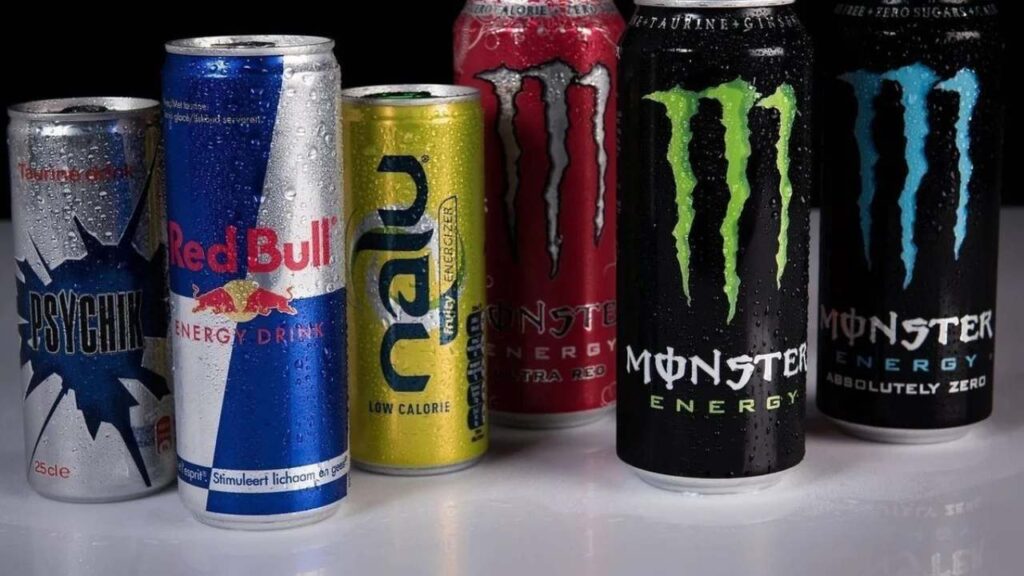
The U.S. Food and Drug Administration recommends that adults consume no more than 400mg of caffeine per day, but many popular energy drinks exceed this limit when consumed in multiples. Over time, this can lead to heart problems, high blood pressure, dehydration, nervous system damage, and serious digestive problems.
“I can’t walk”… These words have now become a painful part of Artem’s story, and his family believes his long-term consumption of energy drinks is the main reason behind his condition. His mother says the warning signs were there for years, but no one expected the damage to become irreversible.
The case has started broader discussions about energy drink regulations in Europe. The United Kingdom already bans the sale of energy drinks to anyone under 16. Portugal is considering similar laws, and several other European countries, including Spain, Germany, Slovenia, and Hungary, are reviewing options to protect young people from overuse.