
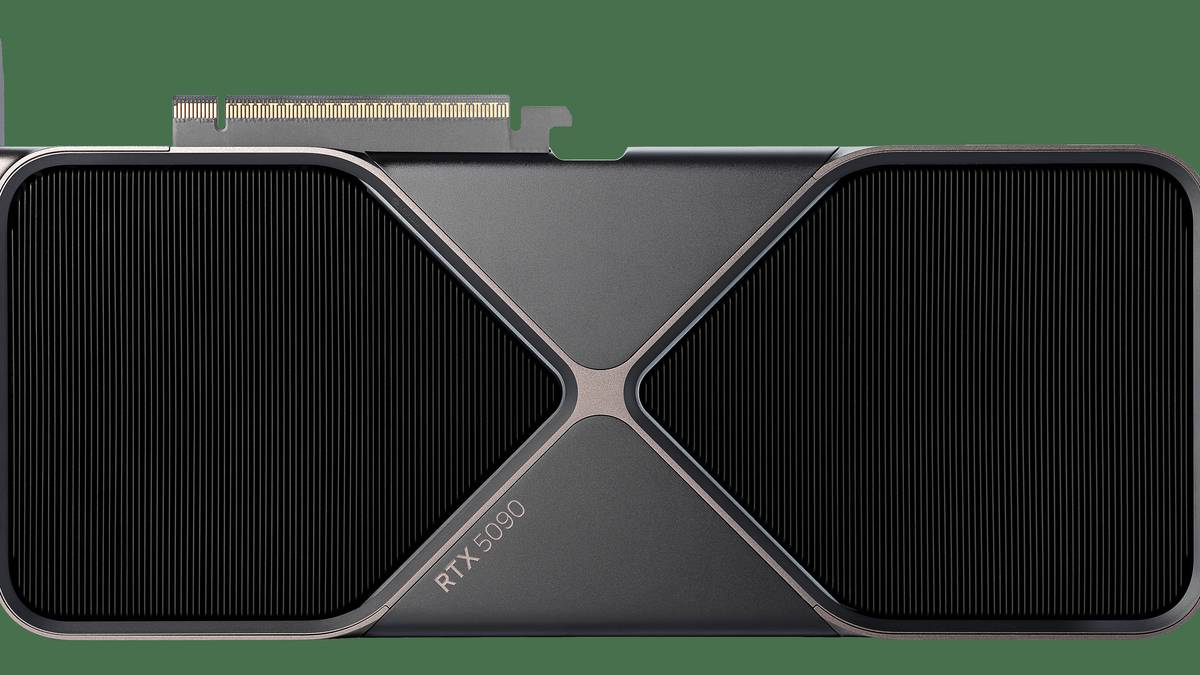
Buying an RTX 5090 at Micro Center now comes with paperwork. The RTX 5090 Micro Center routine used to be simple: pay, take the box, and go home. That changed this week.
A Reddit user who goes by u/Krothic shared his RTX 5090 Micro Center story after buying a PowerSpec AI90 prebuilt PC with a GeForce RTX 5090 at the Micro Center store in Tustin. The store manager told him the new steps were required to complete the sale. He had to fill out a form and let the store scan his driver’s license.
The form is called the Advanced Computing Product Purchaser Declaration. It asks for the buyer’s legal name, address, government issued ID details, phone number, and email. It also asks for the actual end user, the install location, and the intended use of the product.

Why the New RTX 5090 Paperwork Asks for Your Details
The heart of the form is a promise. It states NO EXPORT, NO EXCEPTIONS in clear terms. Micro Center will not sell the product to a purchaser who intends to export, reexport, resell, transfer, or otherwise move it outside the United States.
The buyer must also confirm that the PC is for personal or business use inside the US. The form asks buyers to confirm they are not acting as an undisclosed agent or a straw purchaser for someone else. If Micro Center finds that the information raises concerns, it may refuse the sale or unwind the transaction later.
According to the Reddit post, the manager described the procedure as new. Other shoppers in the thread said they did not face the same steps on earlier visits. Some locations are also reportedly limiting buyers to a single RTX 5090 system each. For now the RTX 5090 Micro Center paperwork seems to appear store by store rather than as one rule for every shop.
It is worth noting that this report comes from one store and one buyer. wccftech covered the story and linked the original Reddit thread as its source. VideoCardz and TechSpot also picked it up, which suggests the paperwork push may be spreading to more stores.
Why a Gaming Card Now Gets Export Paperwork
The RTX 5090 sits in a strange spot. It is a gaming flagship, but with 32GB of VRAM it is also a serious AI card. That dual identity is exactly why export rules follow it around.
The standard RTX 5090 is restricted from export to mainland China under US export controls. Nvidia even made separate 5090 D and 5090 D V2 versions for the Chinese market to stay within the rules. Every RTX 5090 Micro Center sale now plays a small part in this bigger picture.
Retailers are feeling the pressure too. Cards keep flowing into gray markets, and labs have been caught converting gaming GPUs into AI hardware. Against that backdrop, a signed declaration at the counter starts to make sense. Nvidia has ridden this AI wave to become the first four trillion dollar company, which shows how much demand sits behind these chips.
The company keeps its workstation lineup moving as well. Earlier this year it announced its most powerful single slot GPU yet, a card aimed at compact professional machines. And beyond the shelves, Nvidia is investing in chipmaking, joining forces with Intel in a five billion dollar partnership.
For shoppers planning an RTX 5090 Micro Center visit, the message is simple. Bring your ID, read the form, and be ready to sign. If you are comparing options before you buy, our guide to mini PC graphics cards can help you weigh smaller builds.

One honest question remains. Will a signed paper stop determined exporters? Probably not on its own. A form is easy to sign and hard to enforce once the box leaves the store. But it puts buyers on record, and it gives Micro Center a clear basis to refuse a suspicious sale. That may be the real point.

The MES Times Take
This story is bigger than one form at one store. Export controls used to live in government offices and shipping ports. Now they sit on a retail counter next to the receipt printer. That tells you how central the graphics card has become to the modern economy. It is no longer just a toy for gamers. It is infrastructure, and infrastructure comes with rules.
The line between a gaming card and a strategic asset has blurred for good. A signature today, and who knows what tomorrow brings. But here is the human truth under all that paperwork: every great technology eventually asks us what kind of future we want it to build. Let us answer with wisdom.
