
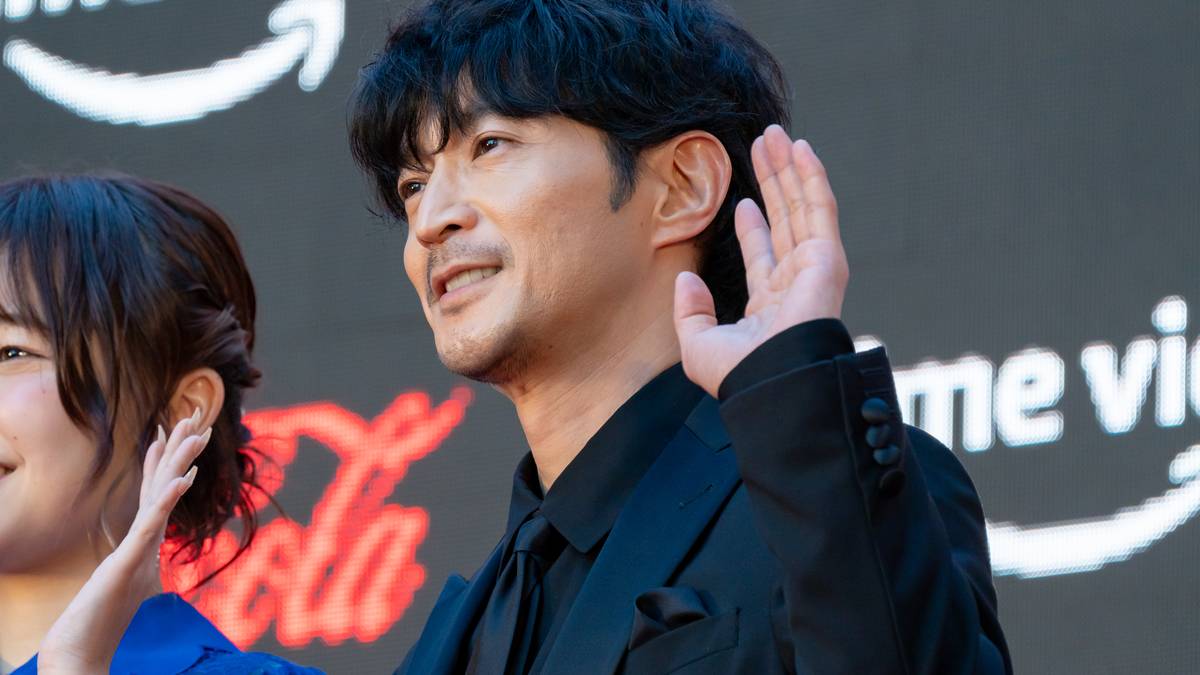
A Tokyo court has just given voices a new legal shield in Japan. Anime voice actor Kenjiro Tsuda is famous as Kento Nanami in Jujutsu Kaisen. He also voiced roles in Yu-Gi-Oh!. He took TikTok to court over an AI generated voice that sounded like his own. On September 30 2026, the Tokyo District Court recognized a person’s voice as protected under publicity rights, a first for the country. It also dismissed Tsuda’s demand to remove the videos, because the account and the videos were already deleted. The news broke around the world on October 1.
The case centered on an anonymous TikTok account called Nanami. The account used AI voice cloning to copy Tsuda’s lustrous baritone. It narrated more than 180 videos about urban legends and paranormal stories. The account had gathered over 200,000 subscribers as of November 2025. Much of that growth came from the appeal of the familiar voice.
The complaint said the account could earn 500,000 yen or more per month. That is about 3,200 dollars, earned from the pull of his vocal style. TikTok argued the audio was only a generic male voice. It said any similarity was subjective. The court did not agree. That disagreement is what makes this ruling historic.
A First for Voice Rights in Japan
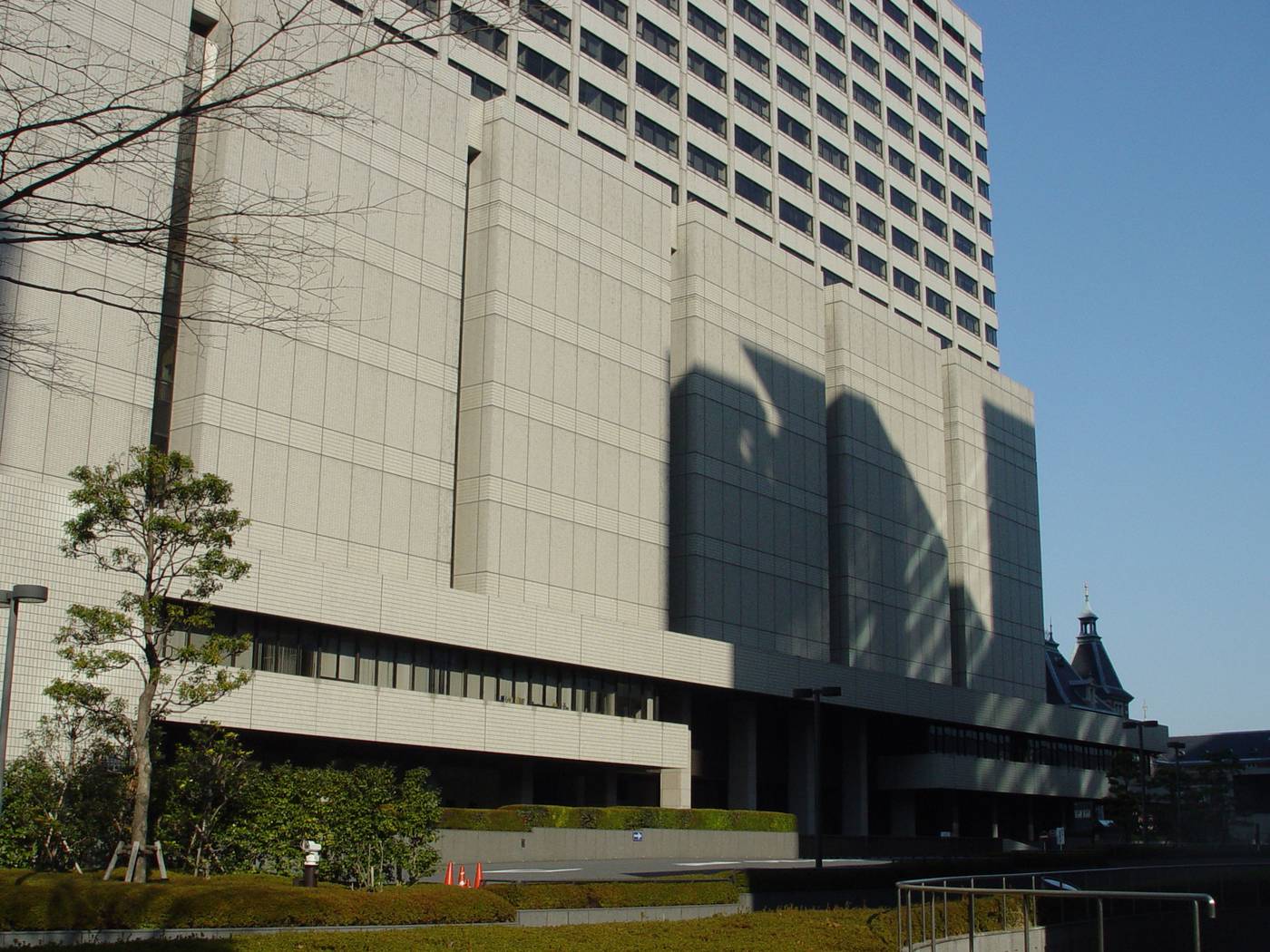
According to TBS News, Presiding Judge Aya Takahashi found that a voice can be protected under publicity rights when it is used only to exploit its commercial appeal. It was the first time a Japanese court recognized a legal right to one’s voice. But the court did not rule on whether the TikTok videos actually infringed Tsuda’s rights. The legal principle is now set. AI voice cloning has a line it cannot cross freely.
It is worth being precise about what the suit actually asked for. Technically it was a demand that TikTok remove the offending account and videos. The court dismissed that demand, because the account and the videos were already deleted. TikTok was not held liable. No damages figure was announced. The September 30 verdict itself is the news. Its legal reasoning is what the industry will study.
The Japan Actors Union publicly backed Tsuda, with executive director Yuko Sasaki supporting the case. For working actors, the fear is simple and real. If anyone can clone a famous voice with software, the value of years of vocal training drops toward zero. A union standing behind one actor sends a message to every studio and platform.
Most of the global coverage of this case comes from AFP reporting syndicated around the world. That shows how closely the industry watched this verdict. The story traveled far because the question is universal. Who owns a voice when a machine can wear it like a mask.
Why AI Voice Cloning Matters Beyond Anime
AI voice cloning is spreading fast, and not only in entertainment. Scammers use cloned voices to trick families over the phone, faking the voice of a loved one in distress. According to Tech Xplore, the tools keep getting better and cheaper. A clear court ruling gives victims and artists a legal weapon they did not have before.
The Malay Mail also carried the story, another sign of how far the debate has traveled. From Tokyo to Kuala Lumpur to living rooms everywhere, people are asking the same thing. If a machine can sound exactly like you, what protects you.
The ruling will likely echo beyond Japan. Courts in other countries already hear cases about AI generated likenesses. Lawyers everywhere will now cite the Tokyo decision. A voice is harder to fence off than a photograph. That is exactly why this precedent matters.
The tech industry is already on edge about AI crossing lines. OpenAI scrapped a model release after safety tests flagged deceptive behavior. Visa has warned of AI cyberattacks with no humans involved. The Tsuda ruling adds a courtroom to that list of warning signs.
TikTok itself keeps changing the game for creators. The platform is testing 15 minute videos. That only raises the stakes for who owns the voices inside those clips. Even Bill Gates has warned that AI could cause events risking one billion deaths. The technology keeps outpacing the rules.
The MES Times Take
Tsuda did not fight for money. He fought for a simple idea. A voice belongs to the person who trained it, through years of shaping every tone and breath. That principle now has the backing of a court. Every voice artist in the world just gained a shield against AI voice cloning. Technology moves fast, but some lines should not move at all. A voice takes a lifetime to build. It should not take a machine five minutes to steal.
Read also: Microsoft AI-powered versions of its internet browser, Bing and Edge
